


Prarthana Hazarika
Guwahati, Sept 7: Football will be the new cricket in India.
It is a big claim in a country where cricket commands the money, the television audience and the national imagination. But when John Abraham makes that prediction, the question for Meghalaya is not whether football can overthrow cricket.
The question is whether Meghalaya and the Northeast are finally ready to turn their football obsession into a football system.
The NorthEast United FC owner has been bullish about Indian football’s future and has praised the support of the Chief Ministers of Meghalaya, Assam and Arunachal Pradesh.
For Meghalaya, however, the significance lies beyond the headline.
Shillong has always been a football city. The state has produced talented players and possesses a football culture few parts of India can match. Yet the challenge has remained the same—creating a structured pathway for young footballers.
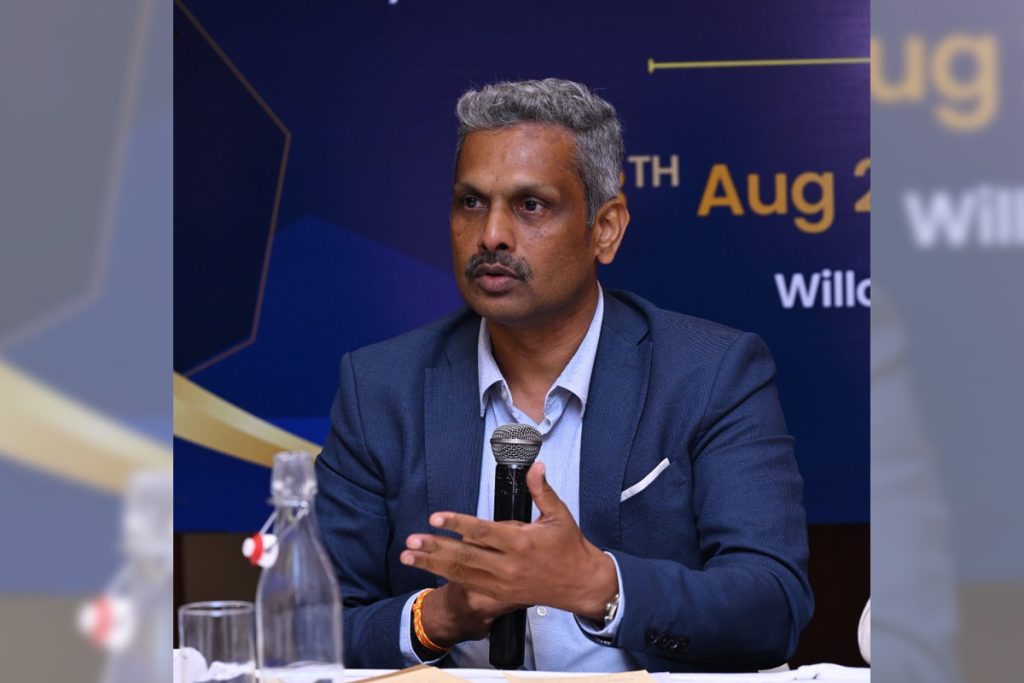
Dr Shaji Prabhakaran, a current AFC Executive Committee member, believes Abraham’s optimism has a genuine basis.
“It is deeply heartening to see John Abraham’s genuine devotion to elevating Indian football through NorthEast United FC and his broader initiatives. His optimism is well-founded,” Prabhakaran told Meghalaya Sports.
“The North East naturally offers an exceptionally passionate fan base where football stands supreme as the leading sport.”
Prabhakaran, however, also offers a realistic perspective. “As an investor and promoter, maintaining that upbeat outlook is essential for expanding NEUFC’s reach, deepening supporter engagement, and attracting major brand partnerships to power the club’s growth.”
That distinction is important. Passion alone cannot transform Indian football. Neither can celebrity ownership.
The real change will depend on infrastructure, qualified coaching, grassroots competitions and a clear pathway for young players.
This is where Meghalaya’s opportunity becomes significant. With NorthEast United FC planning a Centre of Excellence in Shillong, supported by the Meghalaya government, the state could move beyond merely producing talented footballers to developing them through a professional system.
But the real test will not be the announcement of an academy.

It will be what the system produces.
Will talented youngsters from across Meghalaya be identified early? Will they receive quality coaching? Will girls get equal opportunities? And will young players finally see a realistic career pathway?
John Abraham’s prediction may be premature. Cricket’s dominance remains enormous, and Indian football has seen enough false dawns to warrant caution.
But Meghalaya does not need to wait for football to become the “new cricket”.
It already has the passion. It already has the talent. What it needs now is the system.