

By Prarthana Hazarika
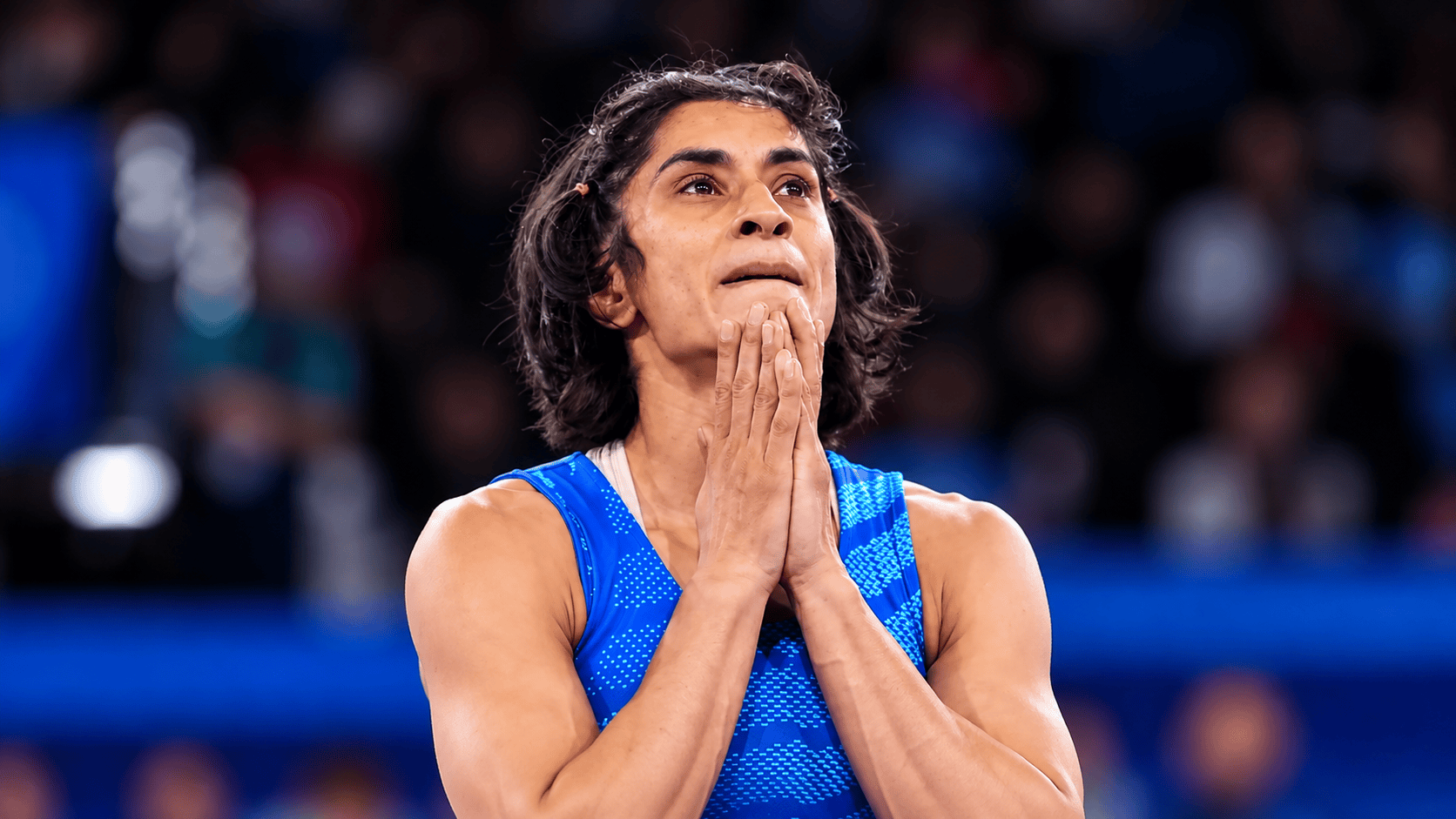
Vinesh Phogat may not be allowed to compete in the 2026 Senior World Championships selection trials, but her case has opened a much bigger debate in Indian sport: when exceptional circumstances arise, should selection committees have the discretion to look beyond rigid eligibility rules?
Veteran sports journalist and author Nooris Pritam believes they should.
“For a moment, leave aside the pregnancy bit and her post-motherhood re-entry to wrestling. Rules in sport are there to offer a fair chance to an athlete to bring out his or her optimum potential,” Pritam said.
“But if we start taking every such case to court, it will create problems no end. Vinesh is not a criminal that you need the law of the land to handle her case. She is one of the finest women wrestlers India has produced.”
Pritam questioned the very purpose of selection committees if they simply apply written criteria.
“If we go strictly by the rules, then why do we have selection committees? Any petty clerk can read the rule and criteria and select the team. The selection committee, if it works fairly, is there to handle such cases.”
Motherhood should not be a barrier
Vinesh became a mother in July 2025 and sought a structured opportunity to return to competitive wrestling.
Pritam says Indian sport needs a better understanding of what women athletes go through during pregnancy and postpartum recovery.
“This is not the first time that an Indian athlete is trying to make a comeback after becoming a mother. Several Indian women athletes have performed at the same or an even higher level after motherhood,” he said.
He called for medical and women’s organisations to educate sporting federations about pregnancy and athlete recovery.
“Becoming a mother for an athlete should not be treated as a burden. It should be taken with open arms, as a fit and athletic woman athlete can give future medal winners to the country.”
The Sriram Singh lesson
Pritam recalled the 1970 Asian Games selection controversy involving middle-distance runner Sriram Singh.
Initially barred from the final trials because he was training outside the national camp, Sriram was eventually allowed to compete after protests by Delhi runners.
He went on to win silver at Bangkok, followed by Asian Games gold medals in 1974 and 1978, besides finishing seventh in the 800m at the Montreal Olympics.
“One broken crazy rule gave India several gold medals in Asia,” Pritam said.
That, perhaps, is the larger lesson from the Vinesh controversy.
Rules are essential. But sporting institutions must also have the courage and wisdom to recognise exceptional circumstances.