

By Prarthana Hazarika | Meghalaya Sports
India head into the Women’s Asia Cup in Dubai with a strong blend of experience and emerging talent, but former India cricketer Gargi Banerjee believes the pace attack could be the one area that needs closer attention.
Speaking exclusively to Meghalaya Sports, Banerjee backed India’s overall combination, highlighting the presence of established stars alongside a promising young generation.
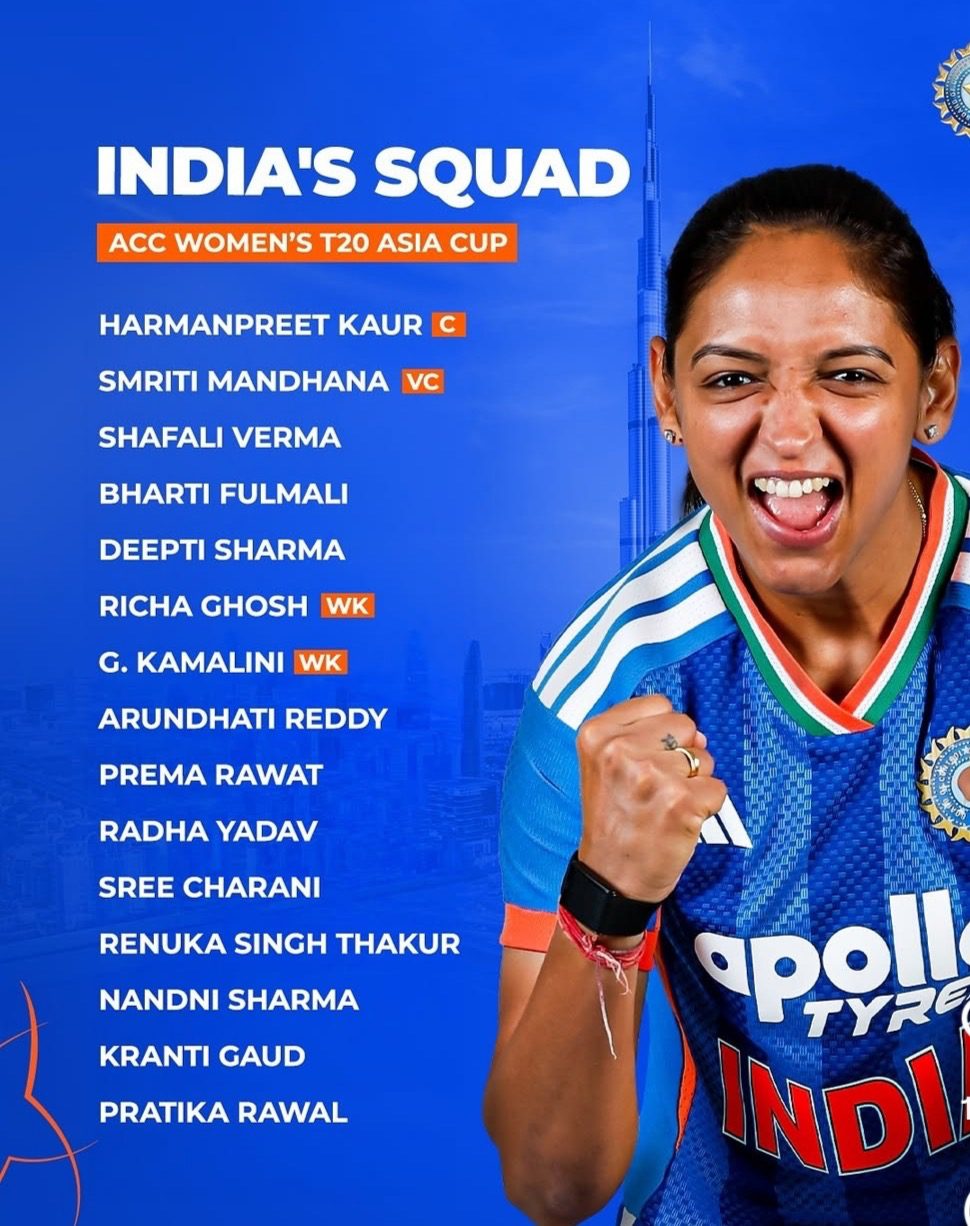
“India’s biggest strength is the quality and pure talent in the team. We have young players like Sree Charani, Pratika and Kranti, along with huge experience in Harman, Smriti, Deepti, Richa and Shafali. We are going to miss Jemimah, but the combination of the team is still well balanced,” Banerjee said.
According to the former India cricketer, the combination of youth and experience gives India a formidable batting and spin unit.
“As far as cricket performance is concerned, this combination of senior and young stars is among the best. The batting and spin combination is superb,” she said.
But Banerjee believes the pace department could be the key question for India in Dubai.
“The only concern is the pace attack. Kranti Gaud—can she make the difference? That will be something to watch,” she said.
The conditions in Dubai could make that question even more significant. Banerjee expects the surface to start relatively well for batting before becoming slower and more challenging as the match progresses.
“The Dubai pitch is slow and dry. Batting will be easier in the first part, but it will be tricky later as the ball grips. Pacers can do well with the new ball in the initial stage, while spinners will come into play as the game progresses,” she explained.
That could make India’s use of the new ball particularly important before their spin resources come into the game.
However, Banerjee does not see the toss as a decisive factor for India, given the depth and balance in the squad.
“Whether we bat or bowl first, it doesn’t matter because we have the best combination. If we bat first, the scoreboard should look decent and then we can fight when bowling comes. Either way, we have the resources,” she said.
The final call, she believes, will depend on captain Harmanpreet Kaur and the coaching staff reading the conditions on the day.
“Now it totally depends on the captain and coach what they choose,” Banerjee added.
For India, the blueprint could therefore be straightforward—make the most of the batting strength, use the pacers effectively with the new ball and then bring the spinners into play as the surface slows down.
With Harmanpreet, Smriti Mandhana, Deepti Sharma, Richa Ghosh and Shafali Verma providing experience, and younger players adding energy and depth, Banerjee feels India have the ingredients to make a strong challenge for the title.
But there is one question hanging over the campaign.
Can India’s pace attack deliver the early breakthroughs and allow their formidable spin combination to take control in Dubai?
For Banerjee, that could be the difference-maker in India’s Asia Cup campaign.