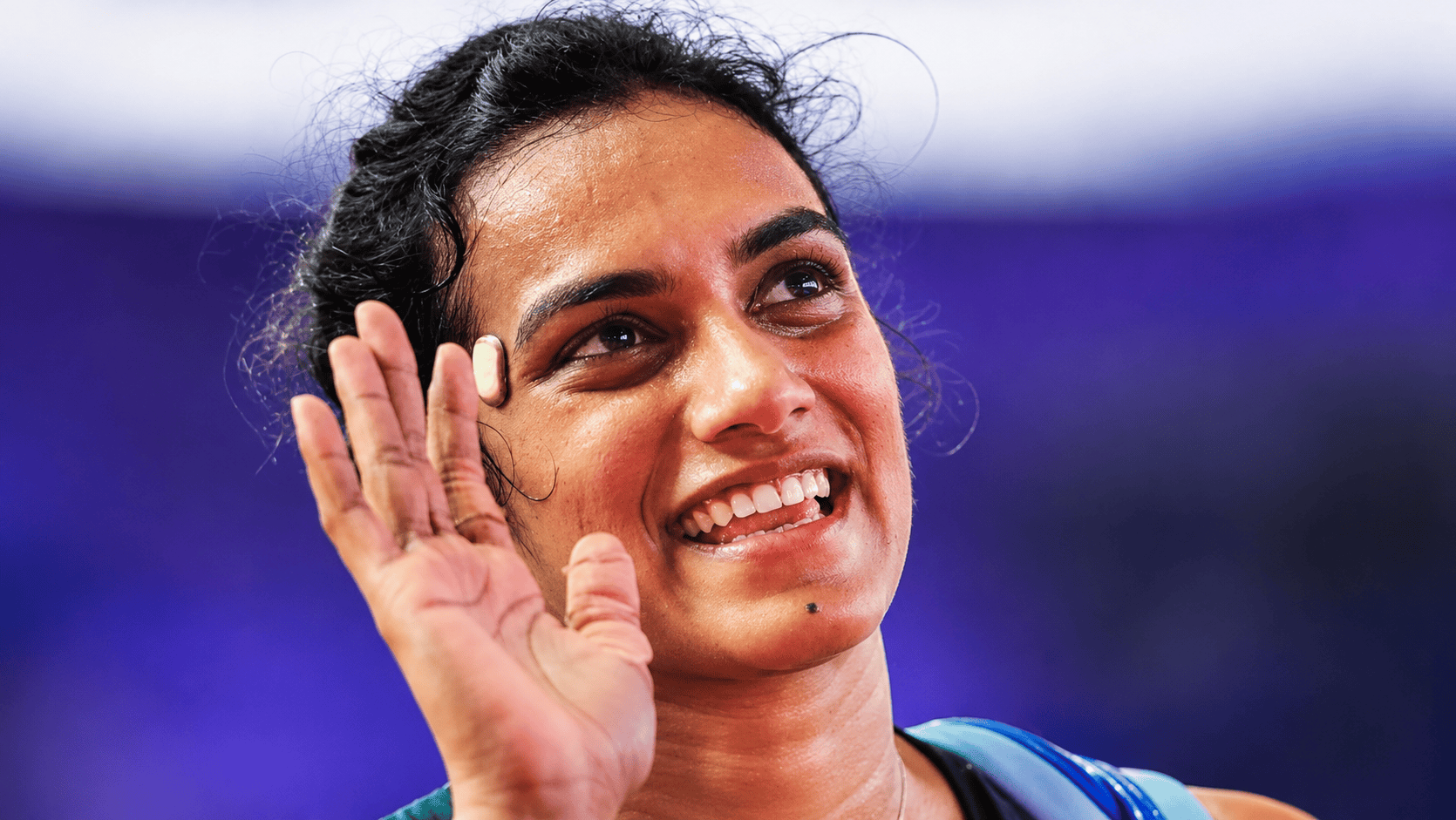


From Shubman Gill to PV Sindhu, the emerging Temple wearable is bringing cognitive workload, physiological stress and recovery into the conversation around high-performance sport. But can monitoring the brain give athletes the competitive edge they are looking for?
By Prarthana Hazarika | Meghalaya Sports
The pursuit of sporting excellence has entered a new technological frontier. For elite athletes, training is no longer limited to building strength, improving endurance or sharpening technical skills. Understanding how the brain responds to physical exertion, competitive pressure and recovery is increasingly becoming part of the high-performance conversation.
A small wearable device called Temple has recently attracted attention in Indian sport, with cricket star Shubman Gill and Olympic medallist badminton player P.V. Sindhu spotted using it.
Developed by a team associated with Zomato co-founder Deepinder Goyal, Temple is a forehead-mounted wearable designed to monitor physiological signals associated with blood flow around the head, cognitive workload and physical stress. Unlike conventional fitness trackers worn on the wrist, it uses optical sensors positioned near the temples to collect data.
The interest among professional athletes reflects a growing recognition that physical fitness alone does not tell the complete story of performance.
Why does the brain matter in sport?Consider a batter facing a fast bowler, a badminton player anticipating a smash or a hockey player making a split-second decision inside the striking circle. These actions require more than physical strength. They involve concentration, anticipation, visual processing, decision-making and coordination.
An athlete may be physically fit but still experience mental fatigue after prolonged competition or demanding training sessions.This is where brain-related physiological monitoring could potentially offer additional information.
Temple’s BrainFlow technology is designed to track changes in signals associated with blood circulation around the head. Its Entropy metric is intended to provide an indication of the body’s physiological effort. Together, these measurements aim to offer insights into how the body responds to exercise, stress, sleep and recovery.
For athletes, the potential application is significant. If such information can be reliably interpreted, coaches and sports scientists could gain another layer of understanding when planning training loads, managing fatigue and deciding when an athlete needs recovery.
How could it help athletes?In professional sport, the difference between winning and losing can be extremely small. Training harder is not always the answer; training smarter and recovering effectively are equally important.
A wearable that provides meaningful physiological information could potentially help athletes and their support teams in three important areas.
First, it could provide additional information about cognitive workload. Sports such as cricket, badminton and hockey demand sustained concentration and rapid decision-making. Understanding how the body responds to these demands could help in managing mental fatigue.
Second, recovery monitoring could become more comprehensive. Athletes already use data relating to heart rate, sleep, workload and physical activity. Additional brain-related physiological indicators could complement these measurements and help identify individual recovery patterns.
Third, it could help optimise training. Rather than following identical workloads every day, athletes could potentially use reliable individual data to inform decisions about intensity, rest and preparation.
Badminton star P.V. Sindhu has spoken about the potential of such monitoring. In an interview with NDTV, she highlighted how the data could help athletes understand their recovery and sleep patterns, which vary from individual to individual.
Technology is not a shortcut to success
However, the growing interest in Temple also raises important scientific questions.
The device’s ability to measure blood-flow-related signals and translate them into meaningful information about brain function has attracted scrutiny from medical experts. Critics have questioned whether its claims are sufficiently supported by independent, peer-reviewed scientific evidence.
A Reuters report published on November 11 highlighted disagreements between the developers and doctors over the device’s claims. Its developers have maintained that Temple is a fitness and wellness wearable, not a medical diagnostic device, and have acknowledged that further research is needed.
This distinction is important. Monitoring a physiological signal does not automatically establish how effectively an athlete’s brain is functioning or prove that the device improves sporting performance.
There is also no public confirmation that Gill’s use of Temple is part of India’s official cricket fitness programme.
The next frontier of high-performance sportFrom GPS tracking and biomechanics to artificial intelligence, sleep monitoring and advanced recovery systems, technology has steadily transformed the preparation of professional athletes.
Temple represents another attempt to understand the human body beyond conventional fitness measurements. Its growing visibility among Indian sporting stars has brought a new question into focus: can understanding the brain’s response to physical and mental demands help athletes perform better?
The answer will depend on independent scientific validation, meaningful interpretation of the data and its integration into established sports science practices.
Ultimately, no wearable can replace discipline, skill, coaching, tactical awareness or the determination to compete. But if emerging technology can help athletes understand their bodies better, it could become another tool in the relentless pursuit of excellence.
In modern professional sport, the extra mile may no longer be measured only in kilometres, repetitions or hours spent on the training ground. It may also lie in understanding what happens inside the athlete’s body and mind.