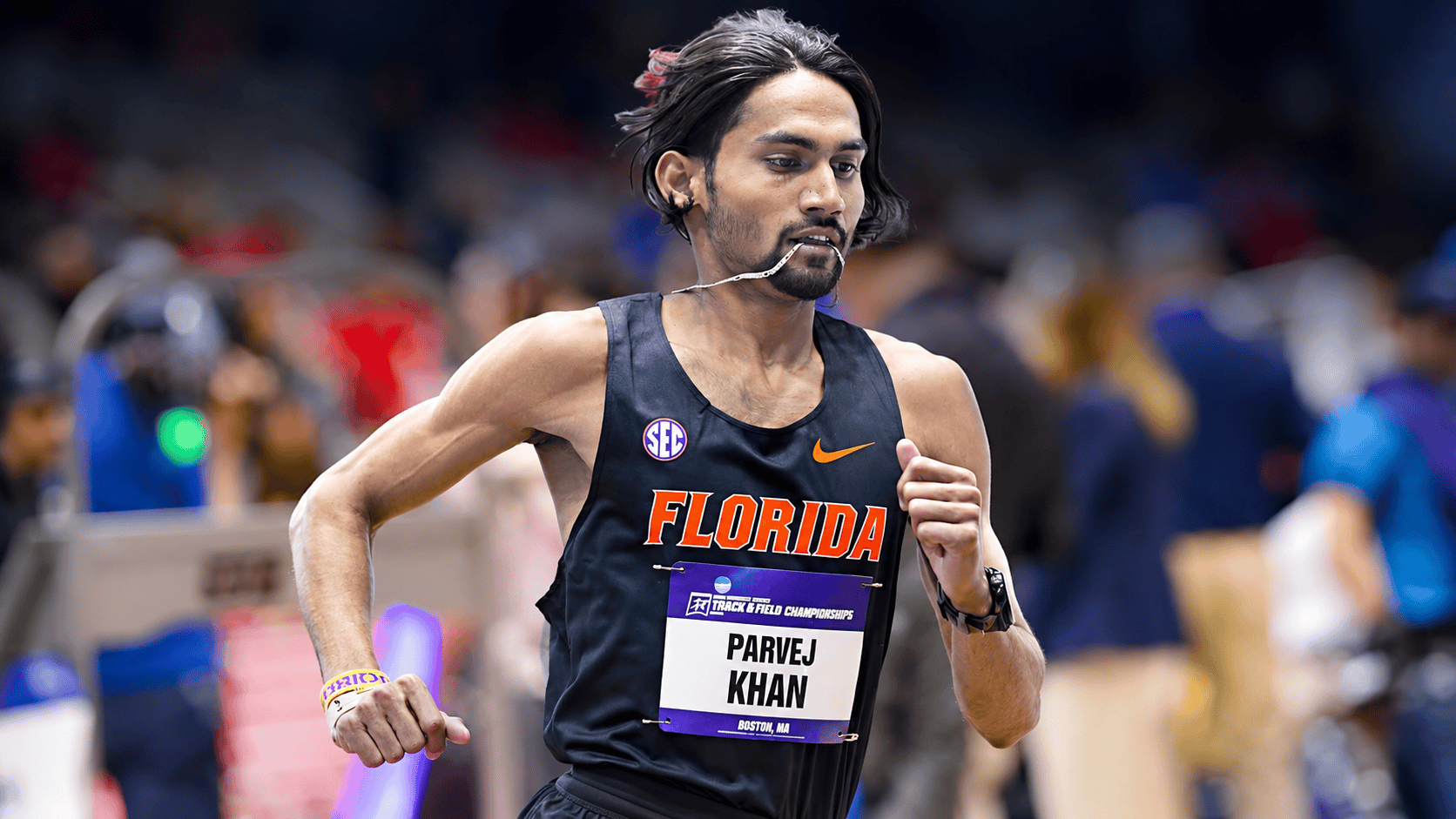


The Appeal Panel accepts defence argument on the 12-month rule, but counsel Saurabh Mishra says errors in the sanction warrant a further appeal.
Parvez Khan’s doping ban has been reduced from six years to five years after the Appeal Panel accepted a key legal argument put forward by his defence, in what his counsel has described as a first-of-its-kind case in Indian anti-doping jurisprudence.
However, the legal battle is far from over, with counsel Adv. Saurabh Mishra confirming that the remaining aspects of the decision will be challenged before the Court of Arbitration for Sport (CAS).
In a statement, Mishra said the Appeal Panel accepted the defence’s principal argument that the two anti-doping rule violations could not be treated as separate violations attracting consecutive sanctions under Article 10.9.3.2 of the anti-doping framework.
Instead, the violations were required to be treated as a single first violation under Article 10.9.3.1, resulting in the reduction of the original six-year suspension to five years.
Mishra termed the decision an important legal recognition of the correct interpretation of the 12-month rule under the anti-doping framework.
However, he raised concerns over what he described as significant legal and procedural errors in the ruling.
According to the counsel, Parvez had admitted the EPO violation and signed the acceptance form, making him eligible for a one-year reduction in the applicable sanction under Article 10.8.1.
Mishra alleged that the National Anti-Doping Agency (NADA) had consistently followed a practice of imposing three-year sanctions in comparable cases, but Parvez was handed a four-year sanction without being given the benefit of the reduction.
He further claimed that even after signing the acceptance form, Parvez was never specifically informed that NADA was treating his sanction as four years. The athlete genuinely believed that the applicable consequence was three years, in line with the approach followed in comparable cases.
The counsel also questioned the additional one-year enhancement imposed on the grounds of alleged aggravating circumstances.
According to Mishra, these circumstances were neither mentioned in the Notice of Charge nor pleaded by NADA during the proceedings. He argued that the athlete was not put on notice that such an enhancement was being sought and was consequently denied an opportunity to defend himself against the allegations.
Mishra maintained that the Appeal Panel could not introduce an unpleaded ground for enhancement without giving the athlete an opportunity to respond, raising serious questions about procedural fairness.
While welcoming the reduction of the ban from six to five years, the defence believes that the failure to apply Article 10.8.1 and the additional enhancement based on unpleaded aggravating circumstances cannot be sustained.
“We will challenge these aspects of the decision before the Court of Arbitration for Sport,” Mishra said, adding that the objective was to ensure that Parvez receives the sanction prescribed under the rules and gets a fair opportunity to return to the sporting arena.
The proposed appeal before CAS will now seek further relief for the athlete, with the defence arguing that the sanction should reflect the applicable anti-doping rules and principles of procedural fairness.